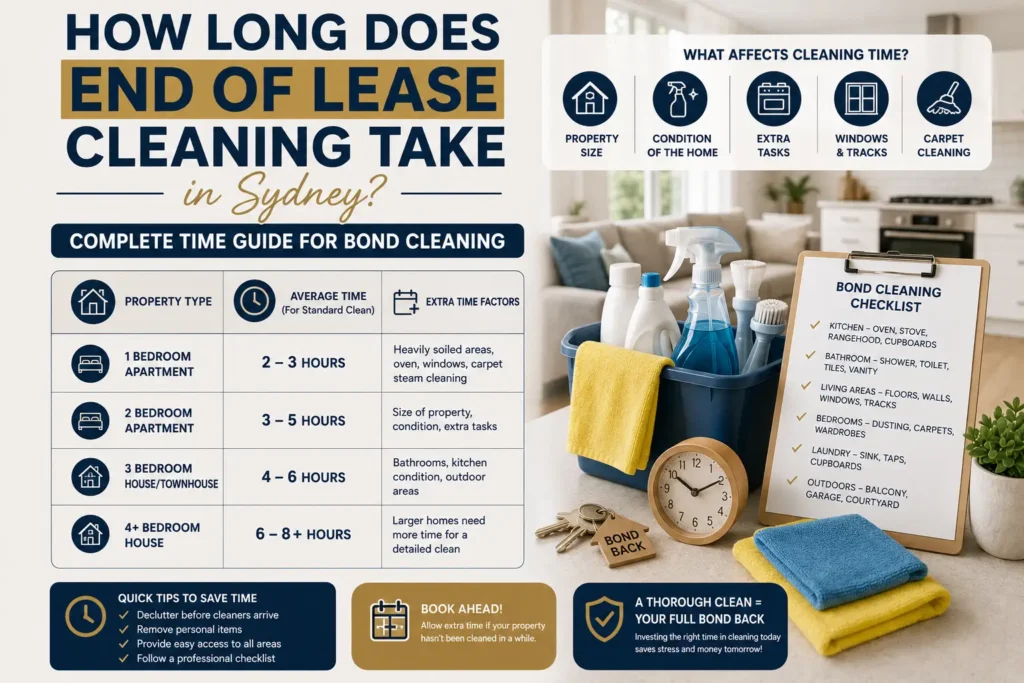

Getting to the end of a tenancy is stressful enough without discovering that a few overlooked cleaning spots could cost you part of your bond.
Many tenants focus on obvious surfaces like floors, benchtops, and bathrooms. But during a final rental inspection, property managers usually pay close attention to hidden grime, dust buildup, grease accumulation, and neglected areas that are easy to miss during regular cleaning.
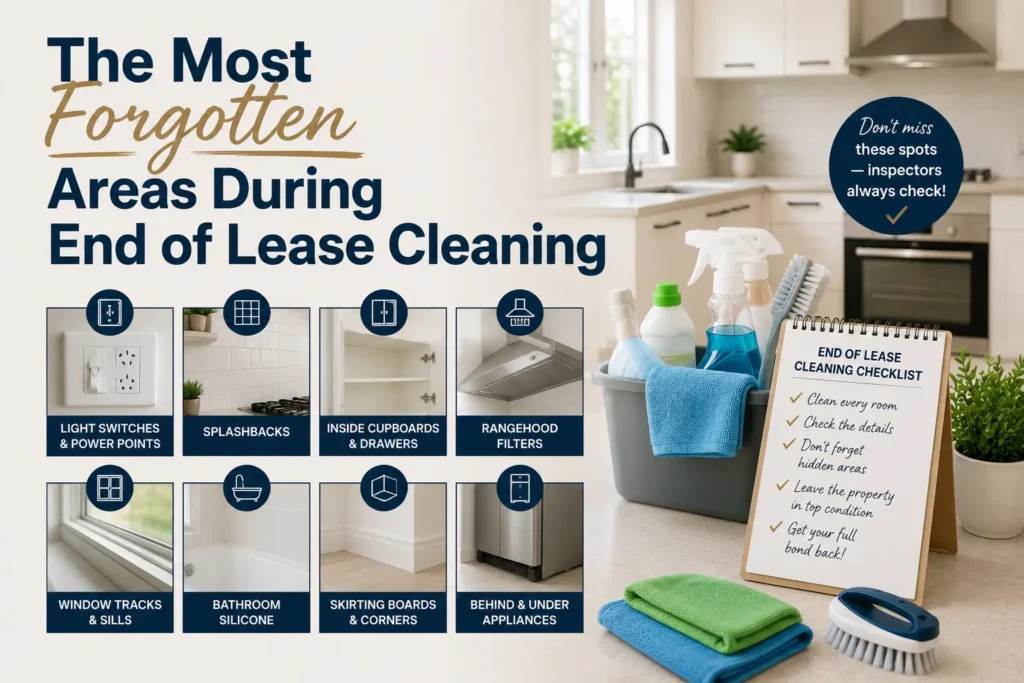
That’s why the most forgotten areas during end of lease cleaning often become the exact reasons tenants lose part of their bond refund.
After handling end-of-tenancy cleaning services across Sydney for more than 3 years, the team at Hifi Cleaning has seen the same inspection failures repeatedly — dirty window tracks, greasy range hood filters, mould around shower seals, and dust-covered skirting boards.
This guide breaks down:
- the hidden cleaning areas landlords inspect most
- common bond cleaning mistakes
- room-by-room inspection risks
- practical cleaning tips
- when professional end of lease cleaning becomes worth it
If you want your property inspection-ready and want the best chance of receiving your full bond back, these are the areas you cannot afford to ignore.
Why Tenants Lose Their Bond Over Cleaning Mistakes
Most bond deductions are not caused by major damage. They happen because of detail-related cleaning failures.
Property managers and real estate agents inspect rental properties differently from how tenants clean them during everyday living. Their goal is to compare the property condition against the original entry condition report.
That means even small issues can become expensive problems during final inspection.
Common examples include:
- grease buildup behind kitchen appliances
- mould around bathroom silicone
- dusty ceiling fans
- dirty sliding door tracks
- stains inside cupboards
- fingerprints on light switches
- cobwebs in balcony corners
A property can appear “clean” overall while still failing inspection standards because of hidden dirt accumulation.
What Property Managers Actually Inspect
During end of lease inspections, agents usually focus on:
- Hygiene
- Detail cleaning
- Odours
- Visible stains
- Dust accumulation
- Appliance cleanliness
- Signs of neglect
The kitchen and bathroom receive the closest attention because these areas collect grease, moisture, soap scum, bacteria, and mould faster than any other part of the property.
In Sydney rental markets, especially in high-demand suburbs and apartment complexes, property managers often use standardized inspection checklists. These checklists include areas many tenants forget entirely.
Why Small Details Cause Bond Deductions
A dirty oven tray may seem minor to a tenant. To a property manager, it signals incomplete cleaning.
The same applies to:
- skirting boards
- exhaust fans
- grout stains
- blinds
- air vents
- laundry lint filters
These overlooked surfaces create the impression that the property was not professionally cleaned or properly maintained.
That is one reason many Sydney tenants choose professional bond cleaning services with a bond-back guarantee before handing over keys.
The Most Forgotten Kitchen Areas During End of Lease Cleaning
The kitchen is usually the biggest inspection risk during end of lease cleaning.
Grease, food residue, oil splatter, and hidden crumbs build up gradually over time. Because tenants clean kitchens regularly, they often overlook the deeper problem areas hidden behind or underneath appliances.
Oven Trays, Racks, and Hidden Grease
Ovens are one of the most inspected appliances during a rental inspection.
Property managers frequently check:
- oven racks
- internal glass panels
- tray corners
- rubber seals
- burnt food residue
- grease buildup behind the oven door
Many tenants wipe visible surfaces but forget baked-on grime inside hidden corners.
A proper oven deep clean usually requires:
- degreasing products
- soaking trays
- scrubbing carbon buildup
- cleaning fan vents
- removing grease from side panels
If grease odours remain after inspection, bond deductions become more likely.
Range Hood Filters and Exhaust Fans
Range hood filters collect airborne oil particles every time cooking happens.
Over time, this creates:
- sticky grease layers
- dust buildup
- blocked airflow
- strong kitchen odours
Property managers commonly inspect:
- filter mesh
- fan covers
- upper cabinet surfaces
- exhaust vents
This area is one of the most forgotten cleaning spots before moving out because it sits above eye level.
Behind Appliances and Inside Cupboards
Behind refrigerators and microwaves, hidden food debris often accumulates unnoticed for months.
Inspection failures commonly involve:
- crumbs
- dust accumulation
- grease stains
- sticky surfaces
- insect residue
Cupboards are another high-risk area.
Agents frequently inspect:
- shelf corners
- cupboard tops
- drawer tracks
- under-sink storage
Even a clean-looking kitchen can fail inspection if hidden surfaces remain dirty.
Bathroom Areas Most Tenants Forget to Clean
Bathrooms create some of the highest bond cleaning risks because moisture encourages mould, mildew, soap scum, and bacteria buildup.
Many tenants clean visible surfaces but overlook detail-heavy areas that property managers inspect closely.
Mould Around Shower Seals and Tiles
Mould is one of the biggest red flags during a final inspection.
Common problem areas include:
- shower silicone
- grout lines
- ceiling corners
- around exhaust fans
- behind toilets
In Sydney’s humid climate, bathroom mould develops quickly when ventilation is poor.
Property managers usually expect:
- mould-free grout
- clean tile edges
- no mildew odours
- sanitised shower screens
Ignoring mould stains can directly affect bond refunds.
Exhaust Fans and Ceiling Corners
Bathroom exhaust fans collect dust surprisingly fast.
Over time, trapped moisture combines with dust particles and creates:
- grey buildup
- airflow blockages
- mildew smells
Ceiling corners are another overlooked area where cobwebs and moisture stains commonly appear.
These detail areas matter because they signal whether deep cleaning was performed thoroughly.
Toilet Hinges, Tap Bases, and Drain Areas
Some of the smallest bathroom surfaces create the biggest inspection issues.
Tenants often miss:
- toilet hinge buildup
- limescale around taps
- drain hair accumulation
- soap scum behind fixtures
- water stains near plumbing joints
Professional cleaners usually target these micro-areas because they are common inspection checkpoints.
Hidden Living Room and Bedroom Cleaning Areas
Living spaces may appear easy to clean, but they contain many dust-heavy areas that tenants overlook during move-out preparation.
Window Tracks and Sliding Door Rails
Window tracks are among the most commonly flagged areas during rental inspections.
These tracks collect:
- dirt
- insects
- mould
- dust
- outdoor debris
Sliding door rails are especially problematic in Sydney apartments with balconies because wind pushes debris inside continuously.
Property managers often run their fingers along tracks to check cleanliness.
Skirting Boards and Door Frames
Skirting boards collect dust slowly over time, making dirt accumulation less noticeable to tenants.
During inspections, agents commonly check:
- edge dust
- scuff marks
- fingerprints
- chipped paint areas
- wall stains near doorways
Door frames and light switches are also high-touch surfaces that quickly develop visible marks.
Ceiling Fans, Air Vents, and Light Switches
Ceiling fans are frequently forgotten because they sit outside normal sightlines.
When dust builds up on fan blades, it becomes immediately visible during inspections.
Air vents and ventilation covers also collect:
- lint
- airborne dust
- allergens
Meanwhile, light switches often contain fingerprints and grime buildup around edges.
These small details contribute heavily to the overall impression of cleanliness.
Outdoor Areas Tenants Commonly Ignore
Outdoor spaces are often included in end of lease cleaning checklists, especially for houses, townhouses, and balcony apartments.
Garage Floors and Oil Stains
Garage floors commonly contain:
- oil stains
- dirt buildup
- leaves
- spider webs
- storage dust
Many tenants forget garages entirely because they focus mainly on interior rooms.
If the garage was included in the tenancy agreement, it will likely be inspected.
Balconies, Cobwebs, and Sliding Doors
Balconies create strong first impressions during inspections.
Commonly missed areas include:
- balcony rails
- outdoor glass
- cobwebs in corners
- dirt near drainage points
- bird droppings
Sliding door tracks between balconies and living rooms also accumulate debris quickly.
These areas matter because they affect the overall presentation of the property.
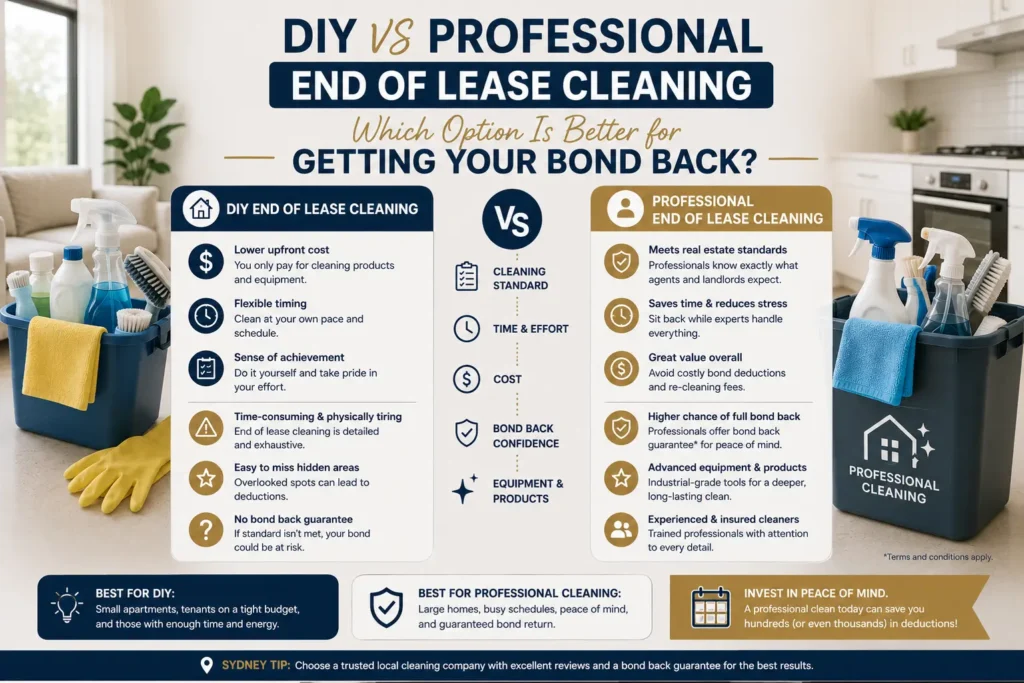
DIY vs Professional End of Lease Cleaning
Some tenants successfully complete DIY bond cleaning. Others underestimate how detailed rental inspections can become.
The biggest difference between standard cleaning and professional end of lease cleaning is inspection-level detail.
Why Professionals Catch Hidden Areas Better
Professional cleaners follow systematic cleaning checklists designed around real estate inspection standards.
At Hifi Cleaning, teams inspect:
- hidden dust zones
- window tracks
- appliance edges
- exhaust systems
- grout lines
- skirting boards
- ventilation areas
Professional equipment also improves results significantly.
This includes:
- commercial-grade degreasers
- steam cleaning machines
- mould treatment products
- carpet extraction equipment
These tools help remove buildup that normal household cleaning often misses.
When Hiring Professionals Is Worth It
Professional bond cleaning becomes especially valuable when:
- the property is large
- tenants are short on time
- pets lived in the property
- carpets require steam cleaning
- mould issues exist
- the tenancy lasted several years
For many Sydney tenants, the cost of professional cleaning is lower than potential bond deductions or re-cleaning requests from agents.
Hifi Cleaning provides professional end of lease cleaning across Sydney with a 100% Bond Back Guarantee, helping tenants prepare properties according to inspection expectations.
Final End of Lease Cleaning Checklist Before Inspection
Before handing over keys, use this quick inspection checklist to reduce the risk of missed areas.
Room-by-Room Quick Checklist
Kitchen
- Clean oven trays and racks
- Degrease stovetop
- Wipe inside cupboards
- Clean behind appliances
- Wash range hood filters
Bathroom
- Remove mould from grout
- Clean exhaust fans
- Sanitise toilet hinges
- Remove soap scum
- Polish mirrors and taps
Bedrooms & Living Areas
- Dust skirting boards
- Clean window tracks
- Wipe light switches
- Remove cobwebs
- Clean wardrobes
Outdoor Areas
- Sweep balcony
- Remove cobwebs
- Clean garage floor
- Empty bins
- Wash sliding door tracks
Last-Minute Inspection Tips
Before your final walkthrough:
- Open windows to remove odours
- Check hidden corners in natural light
- Take timestamped photos
- Compare cleanliness against your entry condition report
- Double-check appliances and ventilation areas
These final checks often prevent avoidable bond disputes.
Frequently Asked Questions About End of Lease Cleaning
What areas are most commonly forgotten during end of lease cleaning?
Window tracks, skirting boards, exhaust fans, range hood filters, and behind appliances are among the most overlooked cleaning areas.
What cleaning mistakes cause bond deductions?
Grease buildup, mould, dirty carpets, stained grout, dusty vents, and incomplete kitchen cleaning are common causes of bond deductions.
Do landlords inspect inside cupboards?
Yes. Property managers often inspect shelves, drawers, cupboard corners, and under-sink storage areas for dust, stains, and food residue.
Are window tracks important during rental inspections?
Absolutely. Dirty window tracks are one of the most frequently flagged inspection issues during end of lease cleaning.
Is professional carpet steam cleaning required?
Some tenancy agreements require professional carpet steam cleaning, especially if pets lived in the property.
What rooms are inspected most carefully?
Kitchens and bathrooms usually receive the closest inspection because they accumulate grease, mould, moisture, and bacteria quickly.
Do I need to clean exhaust fans?
Yes. Dusty exhaust fans suggest incomplete cleaning and are commonly checked during inspections.
Can mould affect my bond refund?
Yes. Visible mould around shower seals, ceilings, or grout lines can result in cleaning deductions.
Should outdoor areas be cleaned before inspection?
Yes. Balconies, garages, patios, and outdoor entryways are often included in final inspection standards.
How clean should a rental property be before moving out?
The property should be returned in a condition similar to the original entry report, excluding fair wear and tear.
Conclusion
The most forgotten areas during end of lease cleaning are rarely obvious surfaces. They are the hidden detail areas that property managers inspect closely — window tracks, exhaust fans, skirting boards, mould-prone corners, appliance edges, and grease-heavy kitchen surfaces.
Missing these areas can lead to unnecessary bond deductions, re-cleaning requests, and stressful inspection outcomes.
A proper end of lease clean is not just about making a property look tidy. It is about preparing the property according to inspection standards and tenancy expectations.
For tenants across Sydney, professional cleaning often provides peace of mind before final inspection, especially when hidden dirt accumulation and detailed cleaning requirements become difficult to manage alone.
If you’re preparing for a final rental inspection and want to avoid missing hidden cleaning areas, Hifi Cleaning can help.
With 3+ years of end of lease cleaning experience across Sydney and a 100% Bond Back Guarantee, the team focuses on the exact inspection areas property managers commonly check.
Why Sydney tenants choose Hifi Cleaning:
- Professional end of lease cleaning
- Detailed inspection-focused cleaning checklists
- Carpet steam cleaning available
- Local Sydney service
- Bond-back guarantee
- Experienced move-out cleaning specialists
📍 13 Kelso Pl, St Andrews NSW 2566
📞 0486 145 774
Book your professional end of lease cleaning today and prepare your property with confidence.