
Moving out of a rental property is stressful enough without worrying about bond deductions, landlord disputes, or a failed inspection. Most tenants lose part of their security deposit for preventable reasons like overlooked cleaning, minor damage, or incomplete preparation.
Understanding how to prepare for final rental inspection properly can make the difference between a smooth move-out process and expensive deductions.
Landlords and property managers inspect everything from carpet stains and greasy ovens to wall damage, mould, and missing fixtures. The good news is that most inspection problems can be avoided with the right preparation system.
This guide covers:
- what landlords actually check
- how to clean room by room
- what counts as normal wear and tear
- common inspection mistakes
- how to improve your chances of receiving your full bond refund
If you are moving out in Sydney, local property managers and real estate agencies often follow strict end-of-lease cleaning standards. That is why many tenants use professional bond cleaning services before their final walkthrough.
What Is a Final Rental Inspection?
A final rental inspection, also called an end of lease inspection or move-out inspection, is the process landlords or property managers use to evaluate the condition of a rental property before returning the tenant’s bond or security deposit.
The inspection compares:
- the property’s original condition
- the current condition at move-out
- tenant obligations under the lease agreement
The goal is to determine whether:
- the property has been cleaned properly
- any damage exists beyond normal wear and tear
- repairs are needed
- deductions should be taken from the bond
In Sydney, most real estate agencies use detailed inspection checklists that cover:
- carpets
- kitchen appliances
- bathrooms
- walls
- windows
- outdoor areas
- fixtures and fittings
Why Landlords Conduct Final Inspections
Landlords conduct inspections to protect their property investment and ensure the rental is returned in acceptable condition.
Property managers typically look for:
- cleanliness standards
- maintenance issues
- missing items
- damage caused by tenants
- lease compliance
For tenants, the inspection is mainly about protecting the bond refund.
What Inspectors Usually Check
Most rental inspection checklists focus on five core areas:
- Cleanliness
- Damage
- Appliances and fixtures
- Flooring and carpets
- Outdoor spaces
Common inspection issues include:
- dirty ovens
- mould in bathrooms
- stained carpets
- wall scuffs
- greasy kitchen surfaces
- rubbish left behind
- damaged blinds
- dirty window tracks
Even small details can affect your bond outcome.
Understanding the Difference Between Damage and Normal Wear and Tear
One of the biggest causes of tenant disputes is confusion about normal wear and tear.
What Is Normal Wear and Tear?
Normal wear and tear refers to natural deterioration that happens through ordinary use over time.
Examples include:
- faded paint
- minor carpet wear
- loose door handles
- light wall scuffs
- worn grout
- slightly faded curtains
These are generally considered unavoidable and are not usually chargeable to tenants.
What Counts as Tenant Damage?
Tenant-caused damage goes beyond everyday use.
Examples include:
- large wall holes
- broken windows
- carpet burns
- pet damage
- missing fixtures
- deep stains
- water damage from negligence
Landlords can legally deduct repair costs from the bond for these problems.
What Can Be Deducted From Your Bond?
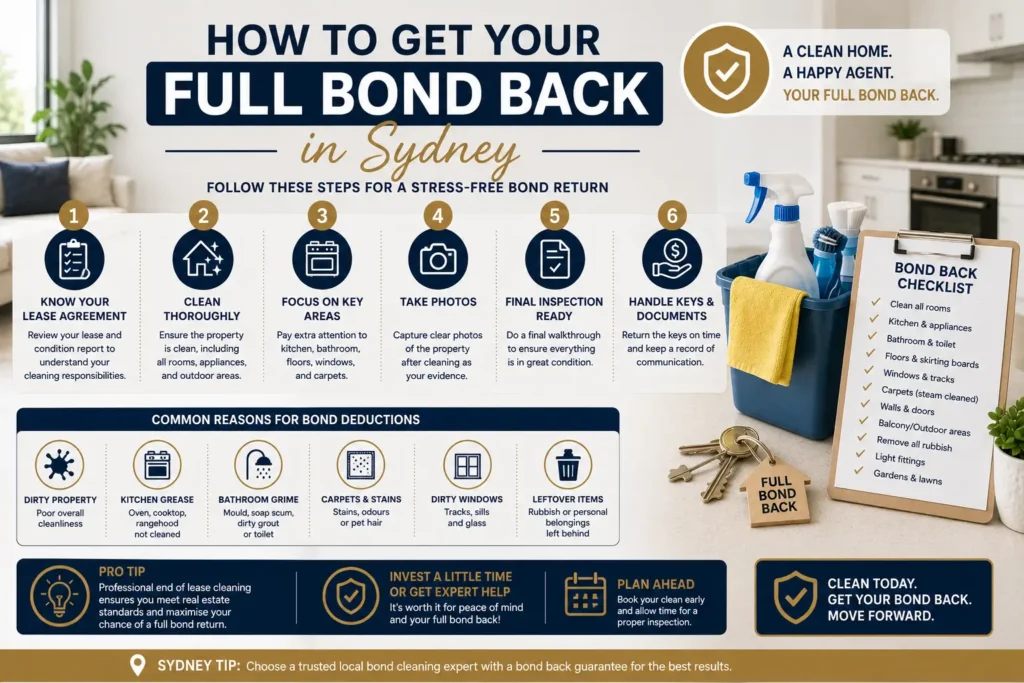
Bond deductions commonly include:
- professional cleaning costs
- carpet steam cleaning
- rubbish removal
- repair expenses
- unpaid rent
- damaged appliances
If the property manager believes the property does not meet lease standards, they may request additional cleaning before approving the refund.
That is why detailed preparation matters.
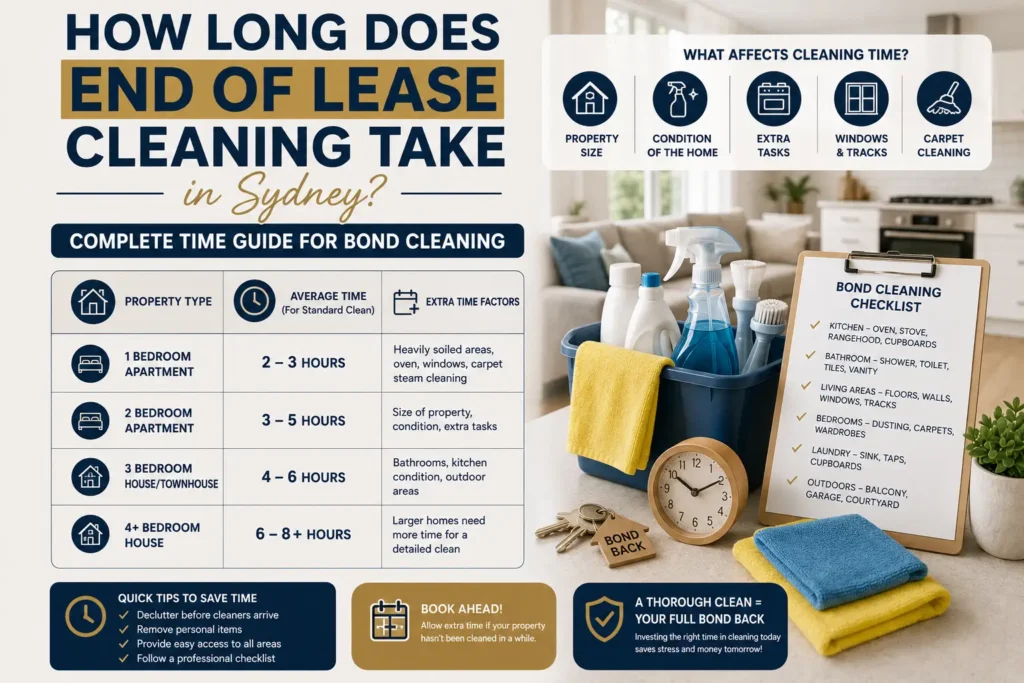
Final Rental Inspection Preparation Timeline
Preparing for a move-out inspection should start weeks before the inspection date.
Trying to do everything in one day usually leads to missed details.
What to Do 30 Days Before Inspection
Start by reviewing:
- your lease agreement
- entry condition report
- landlord cleaning requirements
Create a checklist covering:
- repairs
- cleaning
- utility disconnections
- packing
- rubbish disposal
This is also the best time to book professional end of lease cleaners if needed.
In busy Sydney suburbs like Parramatta, Inner West, Blacktown, and Eastern Suburbs, quality bond cleaners are often booked out in advance.
What to Do One Week Before Inspection
One week before inspection:
- finish packing
- remove unwanted furniture
- repair minor damage
- deep clean the property
- organise receipts and documents
Focus heavily on:
- kitchens
- bathrooms
- carpets
- windows
These areas receive the most scrutiny during inspections.
What to Do on Inspection Day
Before the landlord arrives:
- vacuum floors
- wipe surfaces
- empty rubbish bins
- check lights
- inspect bathrooms
- open curtains and blinds
- ensure the property is empty
Bring:
- keys
- inspection documents
- cleaning receipts
- carpet steam cleaning invoices
- photo evidence
Room-by-Room Final Rental Inspection Checklist
A detailed room-by-room checklist reduces the chances of missing critical inspection areas.
Kitchen Cleaning Checklist
The kitchen is usually the most heavily inspected room.
Landlords often check:
- oven interiors
- stovetops
- rangehood filters
- splashbacks
- sinks
- taps
- cabinet interiors
- benchtops
Kitchen Cleaning Tasks
- remove grease buildup
- deep clean the oven
- clean behind appliances
- wipe cupboard shelves
- disinfect sinks
- polish taps
- remove food residue
- clean exhaust fans
Greasy ovens are one of the most common reasons tenants fail inspections.
Bathroom Cleaning Checklist
Bathrooms require deep sanitation and mould removal.
Bathroom Inspection Areas
- shower screens
- grout
- mirrors
- toilets
- exhaust fans
- basins
- taps
- tiles
Bathroom Cleaning Tasks
- remove soap scum
- eliminate mould
- disinfect toilets
- polish mirrors
- scrub grout
- clean drains
Property managers pay close attention to mould buildup because it can indicate poor maintenance.
Bedroom and Living Area Checklist
These spaces should look clean, neutral, and damage-free.
Areas to Inspect
- carpets
- skirting boards
- walls
- wardrobes
- blinds
- ceiling fans
Important Tasks
- vacuum carpets
- steam clean stained areas
- remove wall marks
- wipe wardrobes
- dust ceiling fans
If pets lived in the property, odour removal is also important.
Windows, Doors, and Walls
Many tenants forget these smaller details.
Key Inspection Areas
- window tracks
- flyscreens
- door frames
- fingerprints
- paint scuffs
- light switches
Cleaning Tips
- clean glass streak-free
- wipe door handles
- dust tracks
- remove cobwebs
- clean switch plates
These details heavily influence the overall impression during inspections.
Outdoor Areas and Garbage Removal
Outdoor spaces are often included in tenancy agreements.
Outdoor Inspection Areas
- balconies
- garages
- gardens
- patios
- bins
Important Tasks
- remove rubbish
- sweep outdoor areas
- mow lawns if required
- clean garages
- remove oil stains
Leaving rubbish behind commonly results in deductions.
Minor Repairs Tenants Should Complete Before Inspection
Small maintenance issues can quickly become expensive bond deductions.
Repairs You Should Always Handle Yourself
Common DIY repairs include:
- replacing light bulbs
- patching small nail holes
- tightening loose handles
- replacing smoke alarm batteries
- removing adhesive hooks
These are inexpensive fixes that improve inspection outcomes significantly.
Repairs That Need Professional Help
Some repairs should be handled professionally, including:
- large wall damage
- broken glass
- plumbing leaks
- electrical issues
- extensive carpet damage
Attempting poor-quality repairs can make deductions worse.
Mistakes That Lead to Bond Deductions
Tenants often lose money because they:
- ignore minor damage
- leave repairs unfinished
- use low-quality cleaning methods
- forget hidden areas
- skip carpet steam cleaning
Professional cleaning services can help reduce these risks.
Documents and Evidence to Prepare Before the Inspection
Documentation protects tenants during disputes.
Why Photos Matter During Move-Out
Take timestamped photos of:
- every room
- appliances
- walls
- carpets
- outdoor areas
These photos can support your case if disagreements occur later.
Documents You Should Keep
Keep copies of:
- lease agreement
- entry condition report
- cleaning invoices
- carpet steam cleaning receipts
- maintenance records
- email communication
Well-organised documentation improves your position during bond disputes.
How to Handle Inspection Disputes
If disagreements occur:
- stay professional
- request written evidence
- compare entry and exit condition reports
- provide cleaning documentation
- submit photos
Many disputes are resolved through proper evidence.
Common Reasons Tenants Fail Final Rental Inspections
Understanding common failures helps you avoid them.
Cleaning Mistakes
The biggest cleaning issues include:
- dirty ovens
- mould
- greasy rangehoods
- stained carpets
- dusty skirting boards
- dirty windows
Hidden dirt often matters more than visible clutter.
Repair Mistakes
Common repair-related failures:
- chipped paint
- damaged blinds
- broken fixtures
- wall holes
- damaged flooring
Minor damage becomes expensive when ignored.
Documentation Mistakes
Tenants sometimes fail inspections because they:
- lose receipts
- forget photos
- cannot prove cleaning
- misunderstand lease obligations
Documentation is part of inspection preparation, not just cleaning.
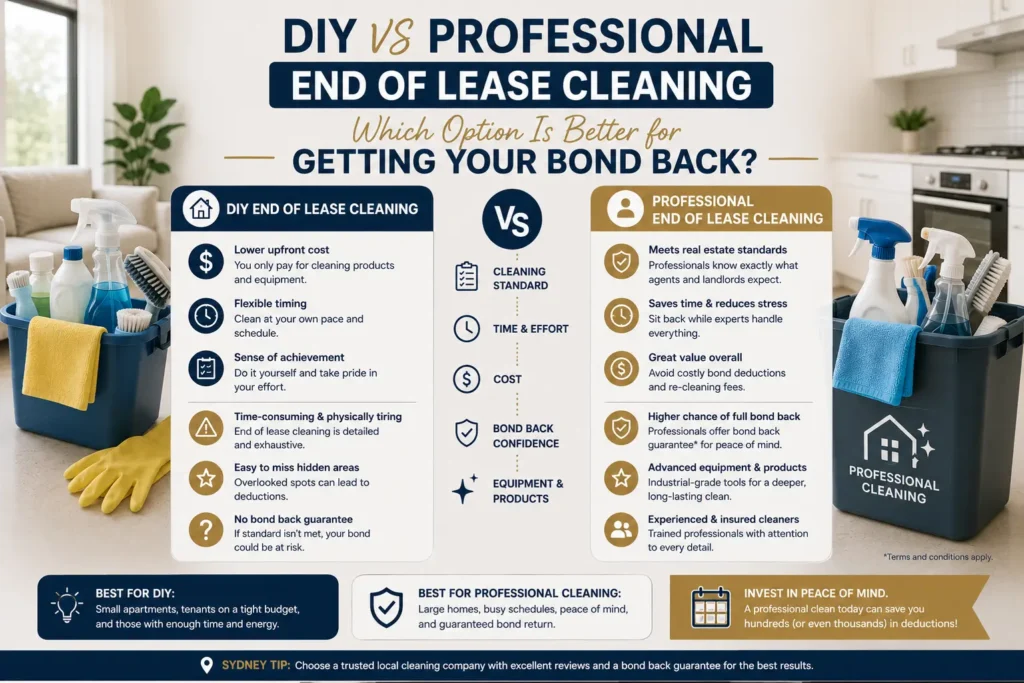
Should You Hire Professional End of Lease Cleaners?
Professional bond cleaning is not mandatory in every tenancy, but it often improves inspection outcomes.
This is especially true in competitive Sydney rental markets where property managers expect high presentation standards.
When Professional Cleaning Is Worth It
Professional cleaning is often worthwhile when:
- the property is large
- carpets are stained
- ovens are heavily used
- tenants lack time
- pets lived in the property
- lease agreements require steam cleaning
Hiring professionals can reduce stress during moving.
What Professional Bond Cleaners Include
A quality end of lease cleaning service usually includes:
- kitchen deep cleaning
- bathroom sanitation
- carpet vacuuming
- window cleaning
- skirting board cleaning
- appliance cleaning
- wall spot cleaning
Some providers also offer:
- carpet steam cleaning
- pest control
- balcony cleaning
- garage cleaning
How Professional Cleaning Helps Pass Inspections
Professional cleaners understand:
- real estate inspection standards
- high-risk problem areas
- common landlord complaints
- bond refund expectations
For tenants in Sydney, Hifi Cleaning provides professional end of lease cleaning backed by a 100% Bond Back Guarantee.
With more than 3 years of experience across Sydney suburbs, the team handles:
- apartments
- rental homes
- vacate cleaning
- move-out cleaning
- bond cleaning preparation
Their cleaners focus specifically on areas property managers inspect most closely.
Business details:
- Phone: 0486 145 774
- Address: 13 Kelso Pl, St Andrews NSW 2566
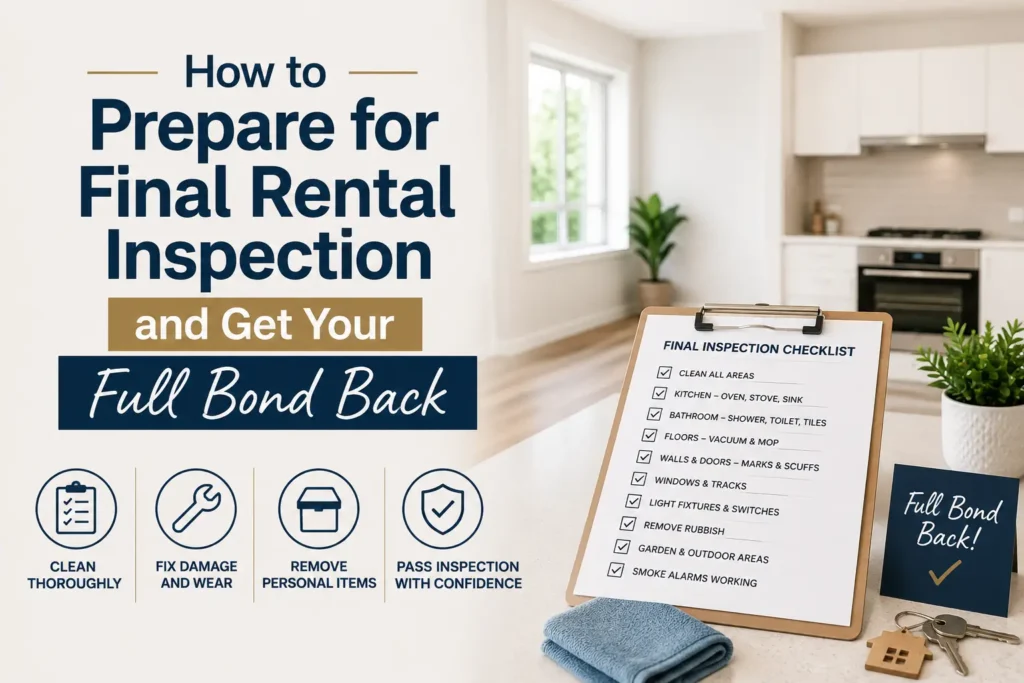
Final Inspection Day Checklist
The final walkthrough is your last opportunity to catch issues before inspection.
Last-Minute Checks Before the Landlord Arrives
Before handing over keys:
- check every room
- flush toilets
- wipe sinks
- inspect mirrors
- vacuum floors
- empty bins
- turn off utilities if required
Walk through the property slowly like an inspector would.
What to Bring to the Inspection
Bring:
- keys
- lease documents
- receipts
- photos
- cleaning invoices
- repair records
This helps resolve issues immediately.
What to Do After the Inspection
After inspection:
- request written feedback
- ask for confirmation of bond release
- save inspection documents
- follow up on unresolved concerns quickly
Prompt communication prevents disputes from escalating.
Frequently Asked Questions
What should I clean before a final rental inspection?
Focus on kitchens, bathrooms, carpets, windows, walls, appliances, and outdoor areas. Deep cleaning is usually expected during move-out inspections.
What do landlords check during move-out inspections?
Landlords inspect cleanliness, property damage, fixtures, appliances, flooring, walls, and compliance with the lease agreement.
Can I lose my bond because of dirty carpets?
Yes. Excessive carpet stains, odours, or failure to steam clean carpets can lead to deductions.
What counts as normal wear and tear?
Normal wear includes faded paint, light carpet wear, and minor scuffs caused by ordinary use over time.
Do I need professional end of lease cleaning?
Not always, but professional cleaning often improves your chances of passing inspections and receiving your full bond refund.
Should I steam clean carpets before moving out?
Many Sydney lease agreements require professional carpet steam cleaning, especially if pets lived in the property.
Can landlords charge for wall marks?
Minor scuffs may count as normal wear, but significant marks or holes can result in deductions.
What documents should I keep after moving out?
Keep:
- inspection reports
- receipts
- photos
- lease agreements
- cleaning invoices
- communication records
How long does a final rental inspection take?
Most inspections take between 30 minutes and 2 hours depending on property size.
What happens if I fail the inspection?
The landlord may request additional cleaning or deduct repair and cleaning costs from your bond.
Conclusion
Preparing for a final rental inspection is about more than basic cleaning. It involves understanding landlord expectations, completing repairs, organising documentation, and presenting the property in the best possible condition.
Tenants who plan ahead usually experience:
- fewer disputes
- faster bond refunds
- smoother move-outs
- less stress
A detailed inspection checklist, proper cleaning, and professional support when needed can significantly improve your outcome.
Need Professional End of Lease Cleaning in Sydney?
If you want to reduce inspection stress and improve your chances of getting your full bond refund, professional cleaning can make a major difference.
Hifi Cleaning provides expert end of lease cleaning across Sydney with a 100% Bond Back Guarantee.
Why tenants choose Hifi Cleaning:
- experienced end of lease cleaners
- real estate standard cleaning
- detailed inspection-focused service
- flexible booking options
- trusted local Sydney team
Call 0486 145 774 or visit the website to request a quote for your upcoming move-out cleaning.