
Moving out of a rental property in Sydney can be stressful enough without worrying about losing hundreds or even thousands of dollars from your rental bond. Yet many tenants are surprised when property managers or landlords make deductions after the final inspection.
In most cases, bond disputes are avoidable.
The biggest issues usually come down to poor end-of-lease cleaning, property damage, unpaid rent, or misunderstandings about fair wear and tear. Understanding how the rental bond process works in NSW can help tenants avoid costly mistakes and improve their chances of receiving a full bond refund.
This guide explains the most common reasons tenants lose their bond in Sydney, what property managers actually inspect, and how to protect yourself before handing back the keys.
What Is a Rental Bond in NSW?
A rental bond is a security deposit paid by tenants at the beginning of a lease agreement. In NSW, the bond is typically equal to four weeks’ rent and is lodged with NSW Fair Trading through the Rental Bonds Online system.
The bond exists to protect landlords against financial losses caused by:
- Unpaid rent
- Property damage
- Cleaning costs
- Missing items or keys
- Lease agreement breaches
Once the tenancy ends, both parties can claim the bond. Problems usually happen when landlords or property managers believe the property has not been returned in acceptable condition.
Who Holds the Rental Bond in Sydney?
In NSW, landlords cannot legally keep the bond themselves. The money must be lodged with NSW Fair Trading, which acts as an independent authority.
This process helps reduce disputes and ensures there is an official record of:
- Bond amounts
- Tenant details
- Property information
- Claim requests
Tenants can also submit their own bond claim through Rental Bonds Online if they believe the property was left in proper condition.
When Can a Landlord Deduct Bond Money?
Landlords can only claim reasonable costs supported by evidence. Common examples include:
- Outstanding rent payments
- Damage beyond fair wear and tear
- Cleaning costs required to restore the property
- Unpaid water bills
- Replacing missing keys or remotes
A landlord cannot legally deduct bond money simply because a property is no longer “brand new.” NSW tenancy law recognizes that normal deterioration happens over time.
The Most Common Reasons Tenants Lose Their Bond
Understanding the most common bond deduction triggers can help tenants avoid mistakes before the final inspection.
Poor End of Lease Cleaning
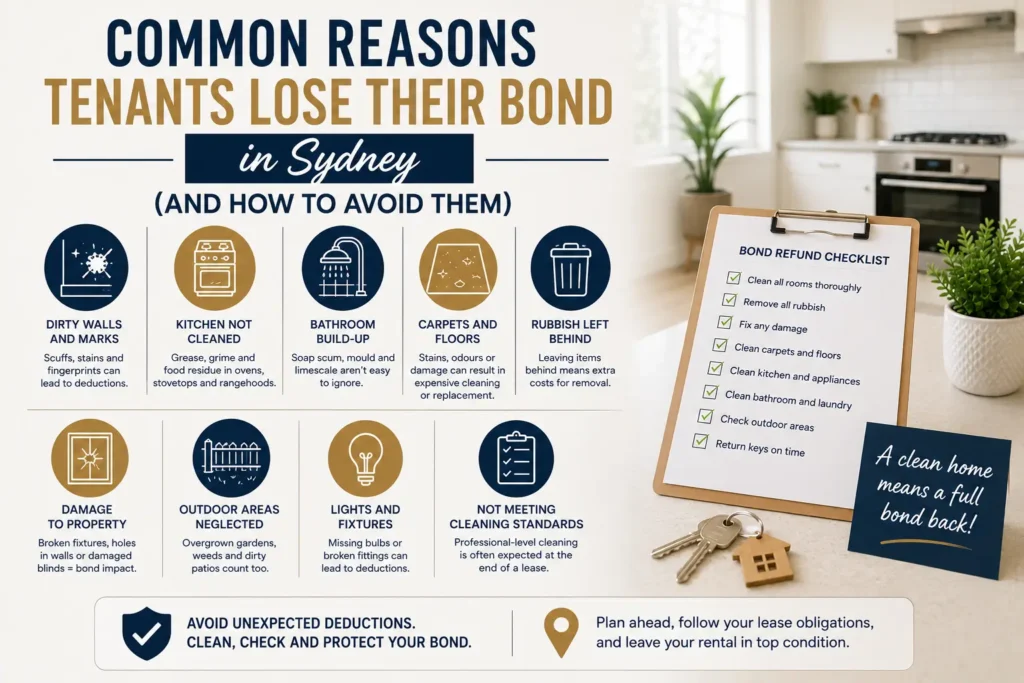
Poor cleaning is one of the biggest reasons Sydney tenants lose part of their bond.
Property managers inspect rental properties carefully at the end of a lease, and even small cleaning issues can trigger complaints or re-clean requests.
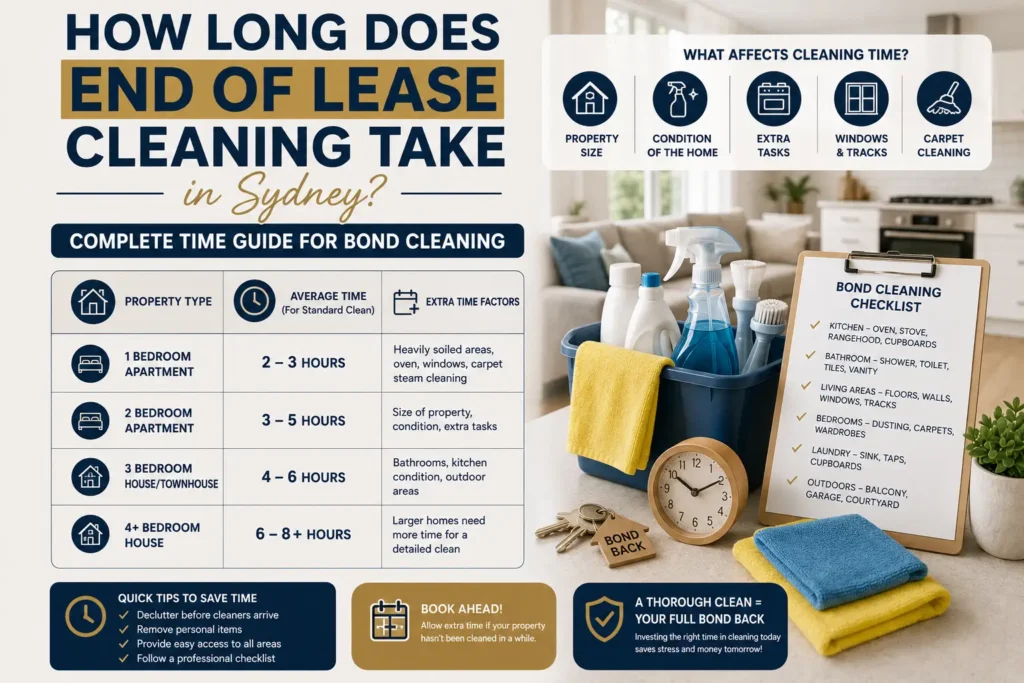
The most commonly missed areas include:
- Dirty ovens
- Greasy rangehood filters
- Soap scum in bathrooms
- Dusty skirting boards
- Window tracks
- Stained grout
- Fingerprints on walls
- Dust on blinds and ceiling fans
Many tenants underestimate how detailed end-of-lease cleaning standards are. A property that looks “clean enough” for everyday living may still fail a professional final inspection.
This is one reason professional end-of-lease cleaning services are common across Sydney’s rental market.
Companies like Hifi Cleaning specialize in inspection-focused cleaning designed specifically for rental properties. Their cleaners understand what property managers look for during final inspections and provide a 100% Bond Back Guarantee for added peace of mind.
Carpet Stains and Floor Damage
Carpet issues are another major source of rental bond deductions.
Common problems include:
- Pet stains
- Wine spills
- Burn marks
- Odours
- Water damage
- Excessive dirt buildup
Some lease agreements require professional steam carpet cleaning before tenants move out, especially if pets lived in the property.
Keeping receipts for professional carpet cleaning can help support your bond claim if disputes arise later.
Property Damage Beyond Fair Wear and Tear
Many disputes happen because tenants misunderstand the difference between normal wear and tear and actual damage.
Fair wear and tear refers to deterioration caused by ordinary use over time.
Examples include:
- Slightly faded paint
- Worn carpet in high-traffic areas
- Loose door handles from aging
- Minor scuff marks
Tenant damage is different.
Examples of chargeable damage include:
- Holes in walls
- Broken blinds
- Burn marks
- Cracked tiles
- Deep scratches
- Missing fixtures
Property managers usually compare the current property condition against the original entry condition report completed at the beginning of the tenancy.
Unpaid Rent or Utility Bills
Any outstanding rent can be deducted directly from the rental bond.
Landlords may also claim:
- Unpaid water usage charges
- Outstanding utility obligations written into the lease
- Lease break fees
Tenants should confirm all balances are paid before the final inspection.
Missing Keys, Remotes, and Security Devices
Replacing security devices in Sydney apartment buildings can be expensive.
Bond deductions often occur for:
- Missing garage remotes
- Lost swipe cards
- Unreturned mailbox keys
- Missing apartment keys
Some buildings require complete lock replacement if keys cannot be returned.
Garden and Outdoor Neglect
Outdoor areas are frequently overlooked during move-out preparation.
Common issues include:
- Overgrown lawns
- Unremoved rubbish
- Weeds
- Dirty balconies
- Oil stains in garages
- Pet waste
If outdoor maintenance responsibilities are listed in the tenancy agreement, tenants may still be liable for restoration costs.
Cleaning Issues That Commonly Fail Final Inspections
Final inspections in Sydney are often much stricter than routine inspections during the tenancy.
Property managers typically use detailed checklists covering every room and surface.
Kitchen Areas Agents Inspect Closely
Kitchens receive heavy attention because grease and food buildup are easy to spot.
Common problem areas include:
- Ovens
- Stovetops
- Splashbacks
- Cupboards
- Exhaust fans
- Sink stains
Dirty ovens alone can trigger professional cleaning deductions.
Bathroom Cleaning Problems
Bathrooms are another high-risk area during inspections.
Property managers commonly check for:
- Mould
- Soap scum
- Limescale
- Dirty grout
- Hair buildup
- Water stains
Even small signs of mould can become a dispute issue if ventilation problems were not previously reported.
Walls, Windows, and Skirting Boards
Tenants often focus on visible surfaces while missing detailed areas.
Commonly overlooked items include:
- Window tracks
- Light switches
- Power points
- Door frames
- Ceiling corners
- Skirting boards
Dust accumulation is one of the biggest reasons otherwise clean properties fail inspections.
Why DIY Cleaning Often Fails
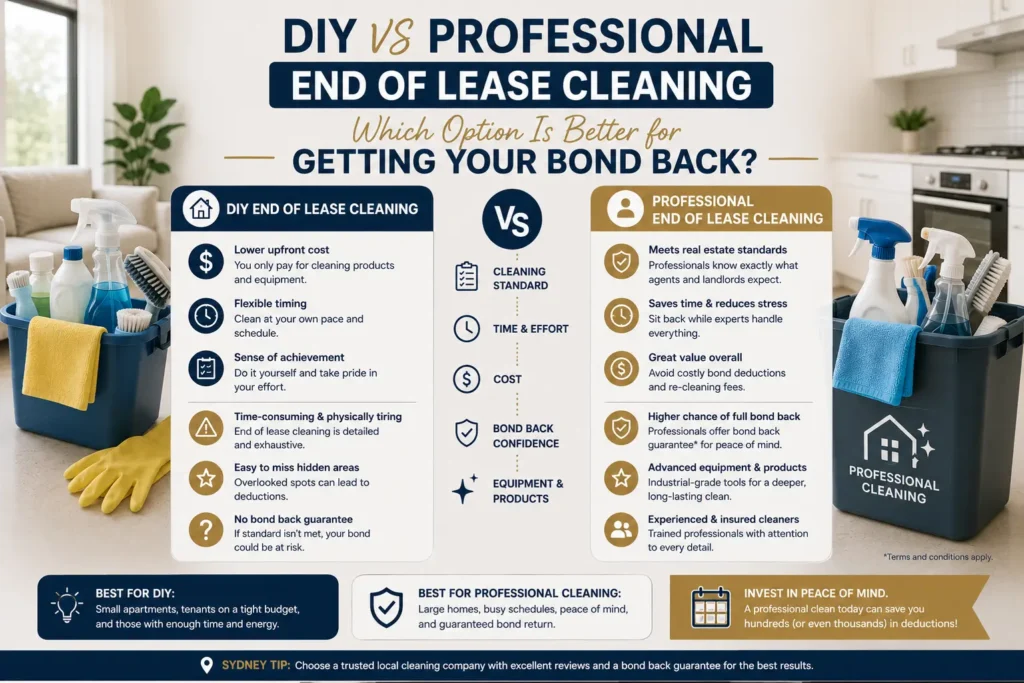
DIY cleaning can work in some situations, but many tenants underestimate the amount of time and detail required.
Professional cleaners use:
- Commercial-grade products
- Detailed inspection checklists
- Steam cleaning equipment
- High-pressure tools
- Deep-cleaning techniques
This is especially important in Sydney’s competitive rental market where property managers often inspect dozens of properties every week.
Fair Wear and Tear vs Tenant Damage
One of the most misunderstood parts of NSW tenancy law is fair wear and tear.
Understanding the difference can help tenants challenge unfair bond deductions.
Examples of Fair Wear and Tear
Fair wear and tear includes natural deterioration from normal living.
Examples:
- Carpet flattening from foot traffic
- Faded curtains
- Minor paint fading
- Loose hinges from age
- Small surface scratches
These issues generally cannot be charged to tenants.
Examples of Chargeable Tenant Damage
Tenant-caused damage goes beyond ordinary usage.
Examples include:
- Broken windows
- Pet damage
- Cigarette burns
- Torn blinds
- Water damage from negligence
- Large wall holes
Landlords usually need evidence showing the damage was caused by tenant actions rather than age or normal use.
How NCAT Views Bond Damage Claims
If disputes escalate, they may go to NCAT.
NCAT typically reviews:
- Entry condition reports
- Exit condition reports
- Photographs
- Cleaning invoices
- Repair receipts
- Communication records
Well-documented evidence often plays a major role in final outcomes.
How to Maximize Your Chances of Getting Your Full Bond Back
A successful bond refund usually comes down to preparation.
Use a Detailed End of Lease Cleaning Checklist
A room-by-room checklist helps reduce missed items.
Key areas include:
- Kitchen appliances
- Bathrooms
- Carpets
- Windows
- Walls
- Outdoor spaces
- Cupboards
- Air vents
Many professional cleaning companies follow real estate inspection standards rather than general house-cleaning standards.
Take Photos Before Returning the Keys
Before handing over the property:
- Photograph every room
- Capture cleaned appliances
- Take close-ups of walls and floors
- Document outdoor areas
- Save timestamps if possible
These photos can help protect tenants if disputes occur later.
Repair Minor Damage Before Inspection
Simple repairs can prevent larger deductions.
Examples:
- Replacing blown light bulbs
- Filling small wall holes
- Tightening loose handles
- Removing adhesive hooks
Small maintenance fixes often improve inspection outcomes significantly.
Hire Professional End of Lease Cleaners
Professional cleaning reduces the risk of:
- Re-clean requests
- Inspection failures
- Cleaning disputes
- Delayed bond refunds
Hifi Cleaning has provided end-of-lease cleaning services across Sydney for more than 3 years, helping tenants prepare properties for final inspections with a 100% Bond Back Guarantee.
Their team services multiple Sydney suburbs and focuses specifically on move-out cleaning requirements expected by property managers and real estate agents.
What to Do If Your Landlord Refuses to Return Your Bond
Bond disputes can still happen even after careful preparation.
How to Lodge a Bond Claim
Tenants can submit a claim through Rental Bonds Online once the tenancy ends.
If the landlord disputes the claim, NSW Fair Trading may attempt resolution before escalation.
Evidence Tenants Should Collect
Useful evidence includes:
- Entry condition reports
- Exit photos
- Cleaning receipts
- Email communication
- Inspection reports
- Repair invoices
Detailed documentation strengthens tenant positions during disputes.
When to Escalate to NCAT
If no agreement can be reached, tenants may apply to NCAT for a formal hearing.
The tribunal reviews:
- Evidence quality
- Lease obligations
- Cleaning standards
- Property condition
- Reasonableness of deductions
Why Professional End of Lease Cleaning Is Worth It in Sydney
Many Sydney tenants choose professional cleaning because failed inspections can become expensive quickly.
A re-clean, delayed handover, or partial bond deduction often costs more than hiring experienced cleaners in the first place.
How Professional Cleaners Reduce Bond Risks
Professional cleaners understand:
- Real estate inspection expectations
- Common dispute triggers
- High-risk cleaning areas
- Time-efficient deep cleaning
This reduces the chances of missing important details.
Areas Most Frequently Missed by DIY Cleaners
Professional cleaners commonly fix issues involving:
- Oven detailing
- Window tracks
- Rangehood filters
- Bathroom grout
- Blind dust
- Skirting boards
These are the exact areas many property managers inspect first.
What to Look for in a Bond Cleaning Service
Before booking a company, check for:
- Bond-back guarantees
- Insurance coverage
- Transparent pricing
- Inspection-focused checklists
- Positive customer reviews
Hifi Cleaning offers professional end-of-lease cleaning throughout Sydney with inspection-focused service and a 100% Bond Back Guarantee.
Frequently Asked Questions About Rental Bonds in Sydney
What is the biggest reason tenants lose their bond?
Poor end-of-lease cleaning is one of the most common reasons for bond deductions in Sydney rental properties.
Can landlords charge for professional cleaning in NSW?
Only if the property is not returned in reasonably clean condition according to the tenancy agreement.
What counts as fair wear and tear in NSW?
Fair wear and tear refers to normal deterioration caused by everyday living over time.
Can a dirty oven cause bond deductions?
Yes. Ovens are one of the most heavily inspected areas during final inspections.
Do tenants need professional carpet cleaning?
Not always, but many lease agreements require steam carpet cleaning, especially for pet owners.
What happens if a final inspection fails?
Property managers may request re-cleaning or deduct cleaning costs from the bond.
Can landlords claim bond money for minor damage?
Only if the damage goes beyond fair wear and tear.
How long does a landlord have to claim the bond in NSW?
Claims must follow NSW Fair Trading procedures and timelines.
Can tenants dispute unfair bond deductions?
Yes. Tenants can challenge deductions through NSW Fair Trading or NCAT.
Is professional end-of-lease cleaning worth it?
For many tenants, professional cleaning reduces stress, improves inspection results, and lowers the risk of bond disputes.
Conclusion
Losing part of your rental bond is frustrating, especially when many disputes are preventable.
Most bond deductions in Sydney come down to:
- Cleaning issues
- Property damage
- Missing documentation
- Unpaid balances
- Misunderstandings about tenancy responsibilities
Preparing properly before the final inspection can significantly improve your chances of receiving your full bond refund.
Detailed cleaning, clear documentation, minor repairs, and understanding NSW tenancy expectations all play an important role.
For tenants who want additional peace of mind, professional end-of-lease cleaning can help reduce inspection risks and simplify the moving process.
Need Help Preparing for Your Final Inspection?
Hifi Cleaning provides professional end-of-lease cleaning services across Sydney with a 100% Bond Back Guarantee.
With 3+ years of experience, the team understands what Sydney property managers expect during final inspections and focuses on detailed, inspection-ready cleaning.
Contact Hifi Cleaning
- Phone: 0486 145 774
- Address: 13 Kelso Pl, St Andrews NSW 2566
- Service Area: Sydney
Book your end-of-lease cleaning today and reduce the stress of moving out while improving your chances of getting your full bond back.